
When it comes to electrical safety, one of the most important devices is the residual current device (RCD). But what is a residual current device and why is it so important to install one in every electrical system?
In this post, we will discover what an RCD is, how it works, and how it differs from a circuit breaker, with which it is often confused. A small device with a big impact on the safety of any system.

Index:
- What is an RCD?
- How an RCD works
- RCD operating diagram
- Difference between RCD and circuit breaker
- RCD types
- Why should you install a residual current device
What is an RCD?
A residual current device is a protective device that automatically cuts off the power supply when it detects an abnormal current leakage to earth, i.e. an abnormal loss of current that could cause electric shocks or fires.
This leakage can be caused, for example, by:
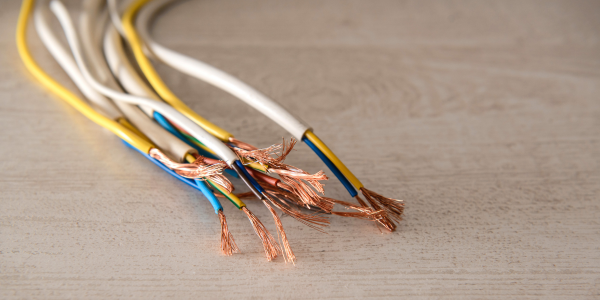
- a damaged wire;
- a broken appliance;
- direct contact of a person with a live conductor.
How an RCD works
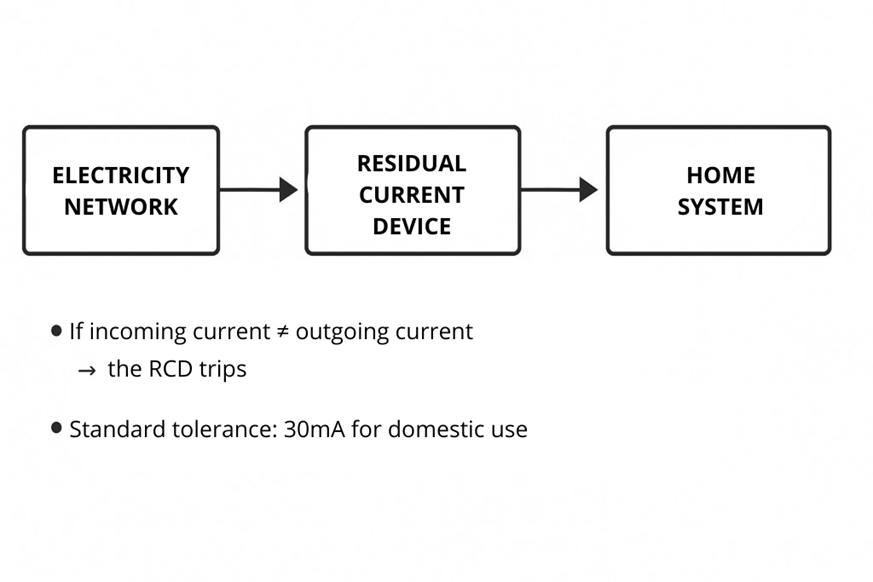
The operating principle of the circuit breaker is based on Kirchhoff’s law, according to which in a closed circuit the incoming current must be equal to the outgoing current.
The RCD operates exclusively based on the difference between the current entering and leaving a circuit. If this difference exceeds a pre-set threshold (usually 30 mA in homes), the device trips and interrupts the circuit.
For example, if you accidentally touch an exposed wire and part of the current passes through your body to the ground, the circuit breaker detects the leakage and trips, preventing further damage.
RCD operating diagram
Difference between RCD and circuit breaker
People often confuse residual current devices with circuit breakers, but these are two devices with different and complementary functions:
- The residual current device only intervenes in the event of earth leakage, protecting people.
- The circuit breaker, on the other hand, protects the system from overloads (too much current in the circuit) and short circuits.
| Feature | Residual current device | Circuit breaker |
| Protection against | Leakage current to ground | Overloads and e short circuits |
| Protects | People | The system |
| Trips due to | Difference between incoming and outgoing current | Excessive or abnormal current |
| Typical intervention threshold | 30 mA (domestic use) | It depends on the load (e.g. 10A, 16A…) |
RCD types
RCDs are mainly distinguished by the number of modules and poles, supported voltage and activation sensitivity, which also determines their intended use.
On the market, we find residual current devices of the following types:
- AC type: base, for sinusoidal alternating currents.
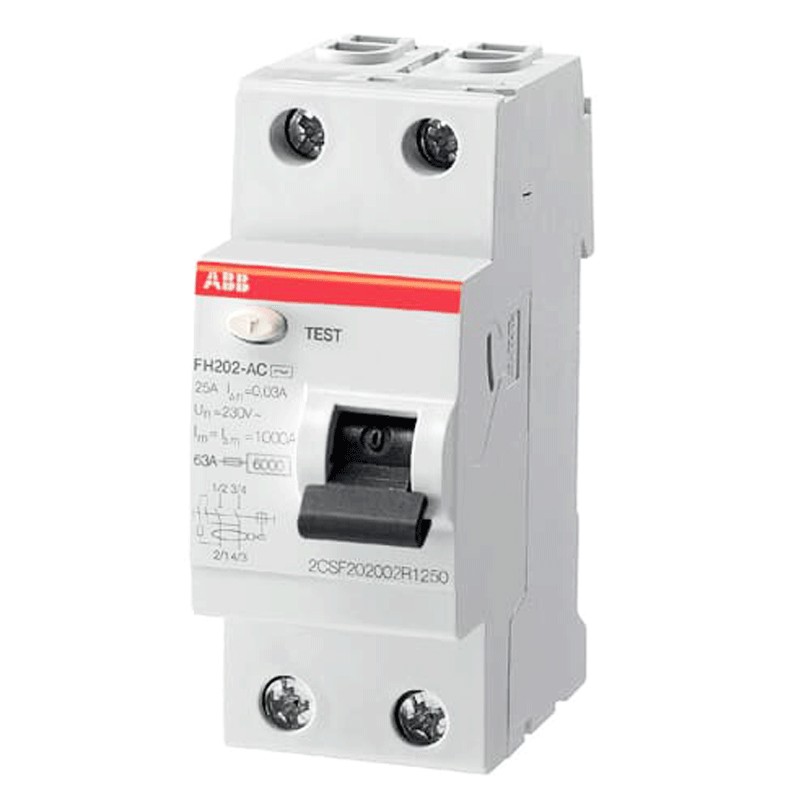
- A type: also suitable for pulsed direct current (e.g. washing machines, TVs).

- B type: for alternating current, continuous and high frequency (e.g. photovoltaic systems).

- F type: for alternating, pulsed and continuous pulsed currents up to 10 mA, suitable for single-phase loads such as inverters, heat pumps, air conditioners, etc.
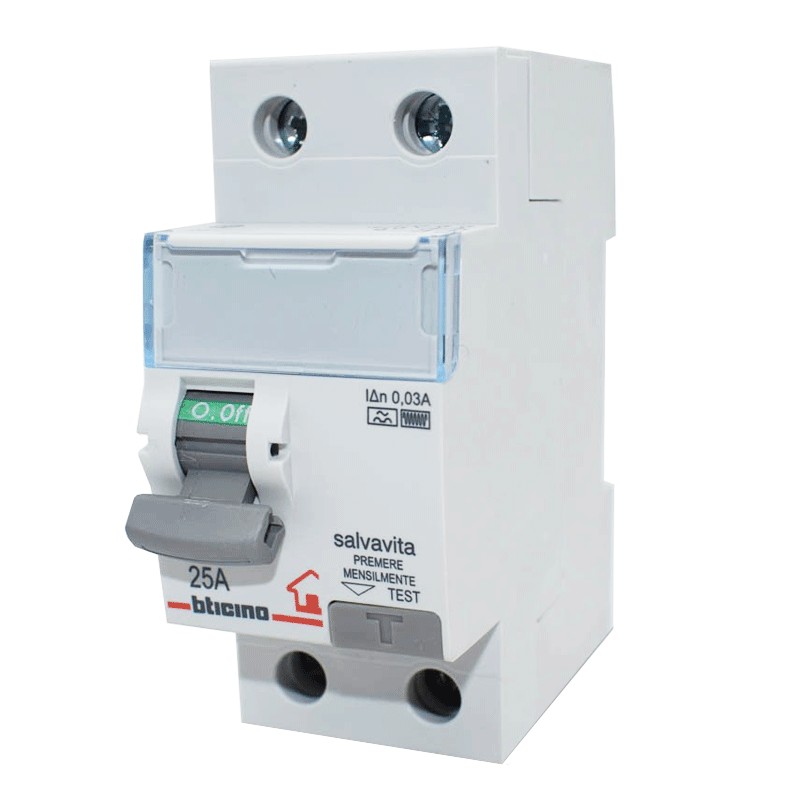
- High sensibility (30 mA): domestic use.
- Low sensibility (300 mA): industrial use, fire protection.
Why should you install a residual current device
Now that you understand what a residual current device is and how it works, you also know why it is essential in every home: it is the protection against the dangers of electricity.
On Elettronew.com you will find a wide range of residual current devices, circuit breakers, and RCBOs, selected from the best brands in the industry to ensure maximum safety for your system.
You might also be interested in: