
The voltage detector, or the phase tester, is one of the most useful tools for identifying electrical cables to ensure the safety and proper functioning of installations. It is a simple but particularly effective device for detecting the presence of voltage in a circuit and therefore the phase wire. In this guide we will see what it is, how it works and how to use it correctly according to contexts.

Index:
- What is a voltage detector?
- How does a voltage detector work
- When to use the voltage detector
- Video guide on how to use the voltage detector
- Why is a voltage detector useful
What is a voltage detector?
The voltage detector is an instrument designed to detect the presence of phase in an electrical system.
There are different types, each suited to specific uses. Voltage detector:
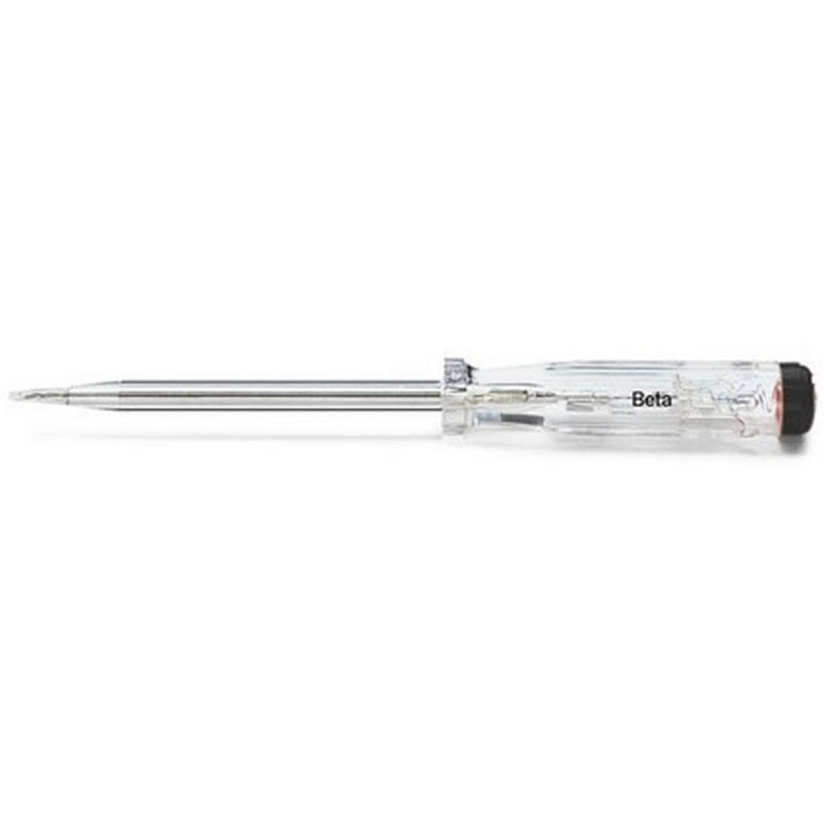
- Screwdriver voltage detector: this is the most common model and looks like a screwdriver with a transparent handle, inside of which is a neon bulb that lights up when it comes into contact with a phase wire.
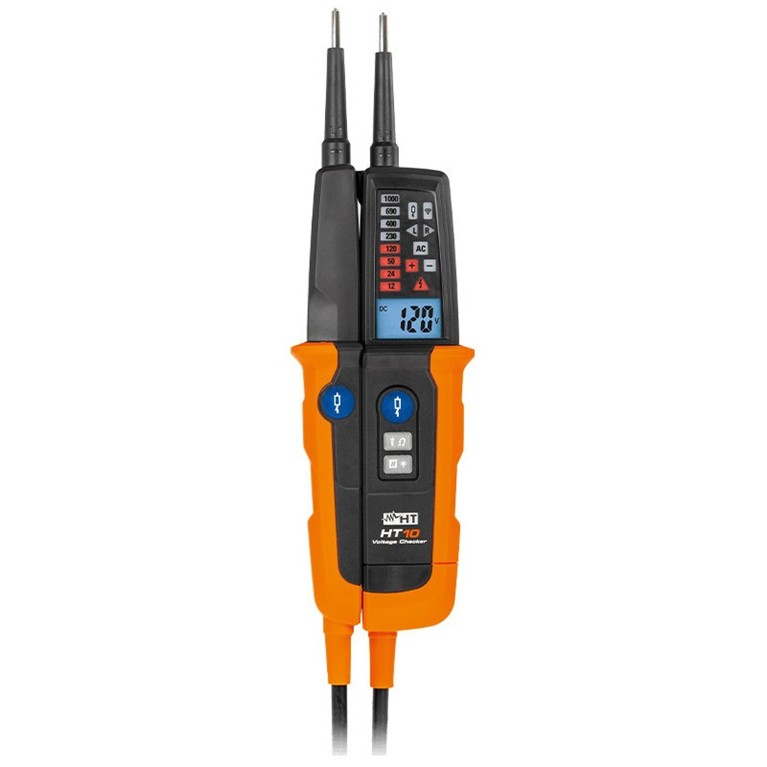
- digital: provides a more accurate reading than conventional models and indicates the presence of the phase on an LED display or by an acoustic signal.
- contactless: works by detecting the electric field without having to touch the conductor directly, making it safer and ideal for checking the presence of voltage on insulated cables.
- Multimeter: more advanced tool that includes voltage detection function along with other electrical measurements, such as voltage and resistance.
The colours of cables in an electrical installation
When installing an electrical system, conventional cable colours should always be followed:
- Brown: phase
- Blue: neutral
- Yellow and green: earth
However, those who installed the system did not always respect this convention. In fact, very often different coloured wires are installed for the phase, for example red, black and grey. This is why the use of this tool becomes essential.
How does a voltage detector work
Screwdriver voltage detector works very easily:
- Composition: shaped like a screwdriver with a metal tip, a transparent handle with a neon bulb and a metal plate at the end of the handle.
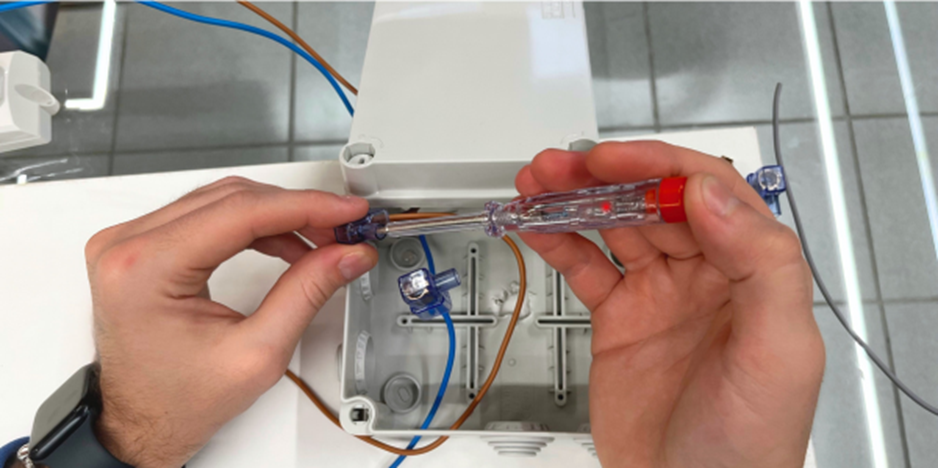
- Operation: to use it, you must hold a finger on the metal plate of the handle and simultaneously touch the tip of the phase finder to the cable or terminal to be checked.
- Voltage detection: if the cable is live (voltage), the bulb in the handle of the voltage detector will light up.
When to use the voltage detector
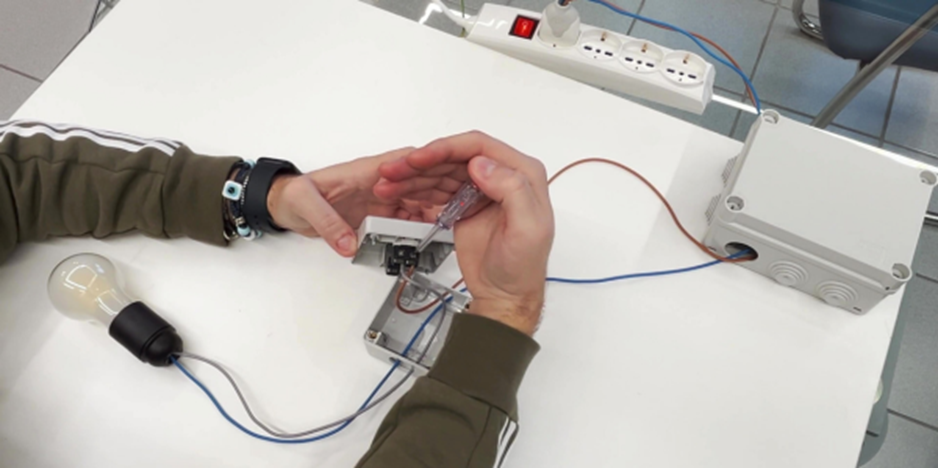
1. Phase detection in switches
When dismantling a switch, one is faced with two terminals:
- One for the system phase
- One for the return wire, i.e. the cable carrying power to the bulb
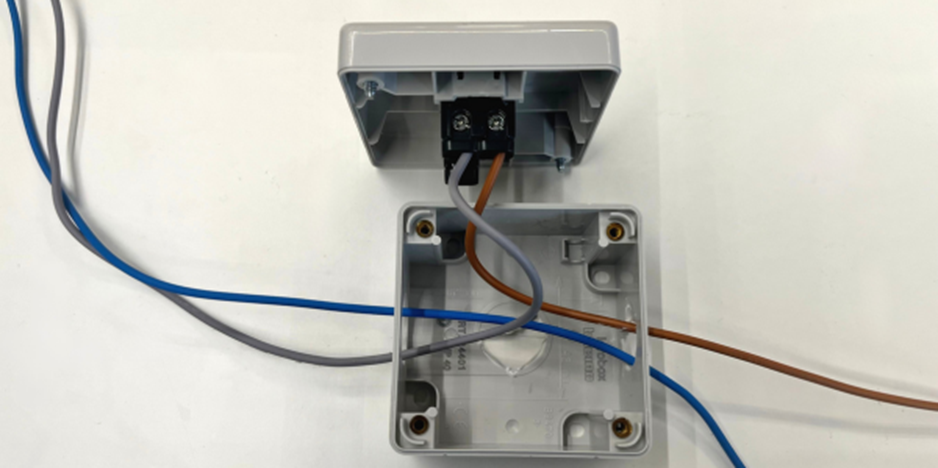
If the switch is on, both terminals will be live and the bulb will light up on both. To detect the phase, therefore, place the tip of the screwdriver on the terminals with the switch off and test the connections again: only one will activate the light bulb of the voltage detector, thus identifying the phase.
2. Phase detection in junction boxes
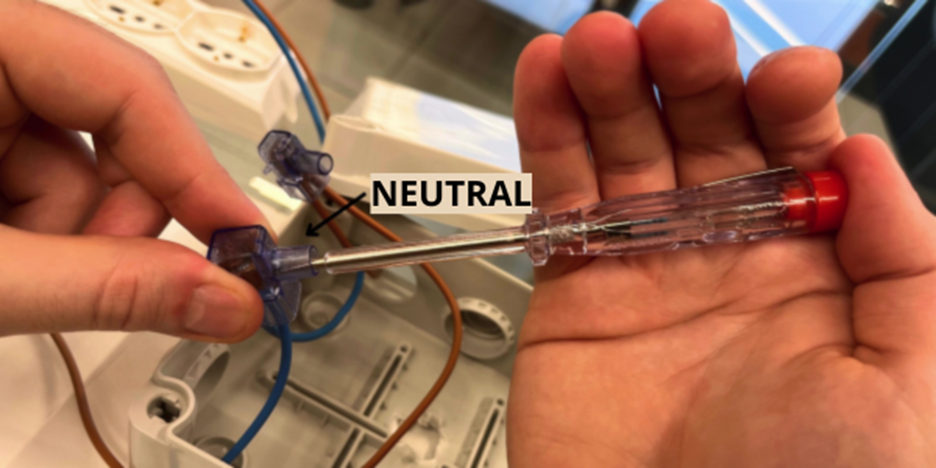
In the junction boxes, on the other hand, there are both phase and neutral and earth cables, organised in bundles and connected by insulating tape or forbox terminals.
To distinguish them, place the tip of the screwdriver on the screws of the forbox clamps or on the joints protected by the insulating tape. The neon bulb will light up on the phase wires and remain off on the neutral and earth wires.
3. Phase detection in lamp holders
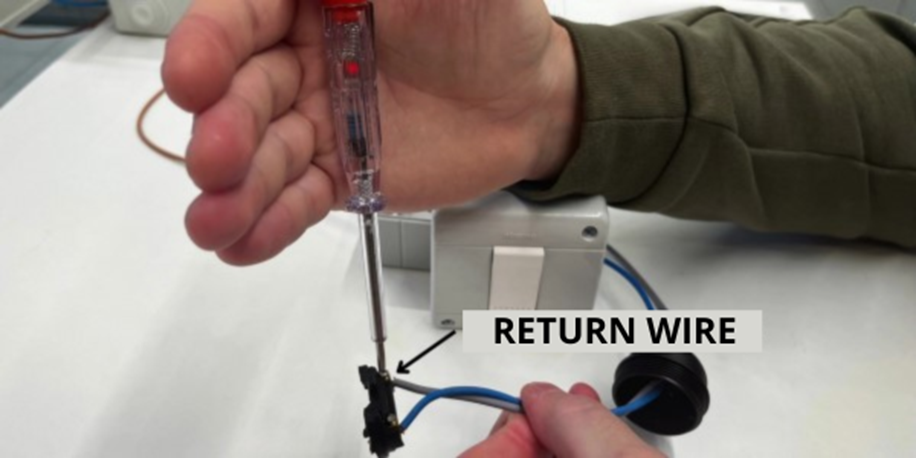
In the case of the lamp holder and the cables connected to the terminals of a bulb, there will be no phase cable, but rather the lamp return wire, which carries the phase, and thus the voltage, to the device.
To determine, therefore, which return wire is inside a lamp holder, it is necessary to:
- Remove the bulb holder.
- Turn on the switch.
- Test the clamps:
– The return wire will activate the neon bulb.
– The neutral will not activate the device.
Video guide on how to use the voltage detector
We have also created a detailed video tutorial on the Elettronew YouTube channel, showing how to use the screwdriver phase tester in the different situations described in this post.
Why is a voltage detector useful
The phase tester is therefore an indispensable ally for any operation on electrical installations, from replacing a switch to installing a socket. Using it correctly allows you to work safely and avoid wiring errors.
If you would like to learn more about the world of electrical material and plumbing and heating equipment, subscribe to Elettronew’s Youtube channel for new content!
You might also be interested in: